
2026 Toyota HiLux BEV vs PHEV Utes in Australia: What It Really Means for Buyers
Comparing the 2026 Toyota HiLux BEV with key PHEV utes in Australia: BYD Shark 6, GWM Cannon Alpha PHEV, Ford Ranger PHEV, plus Isuzu D-Max EV.
Electrified utes are no longer a “someday” conversation. With Toyota confirming a battery electric Hilux variant for 2026 aimed at fleet, mining and business use, the market is quickly splitting into two practical camps: BEV utes (battery only) and PHEV utes (plug in hybrid with an engine as backup).
From our side at HSP, the big question is not just which badge you like. It’s what kind of day your ute needs to handle: short metro runs, long regional routes, heavy towing, remote work sites, or a bit of everything.
This guide breaks down what a BEV is vs a PHEV, what Toyota has confirmed so far for the 2026 Hilux BEV, and how it stacks up against the PHEV utes getting the most attention right now: GWM Cannon Alpha PHEV, BYD Shark 6, Ford Ranger PHEV, plus a look at the fully electric Isuzu D-Max EV as a glimpse of where the category is headed.

BEV vs PHEV vs EV Ute: The Straight Explanation
BEV (Battery Electric Vehicle)
A BEV runs only on battery power. No petrol or diesel engine. You charge it from the grid, and driving produces zero tailpipe emissions.
PHEV (Plug in Hybrid Electric Vehicle)
A PHEV can be charged via a plug and drives using an electric motor and battery, but it also has an internal combustion engine and a fuel tank. When the battery is depleted, the engine can take over for longer distances.
Full EV ute (still a BEV)
When people say “full EV ute”, they generally mean a BEV ute designed to do ute jobs (payload, towing, work site durability). The Isuzu D-Max EV is a clear example of a BEV built around ute capability targets like towing and payload.

What Toyota Has Confirmed About the 2026 Hilux BEV (Australia)
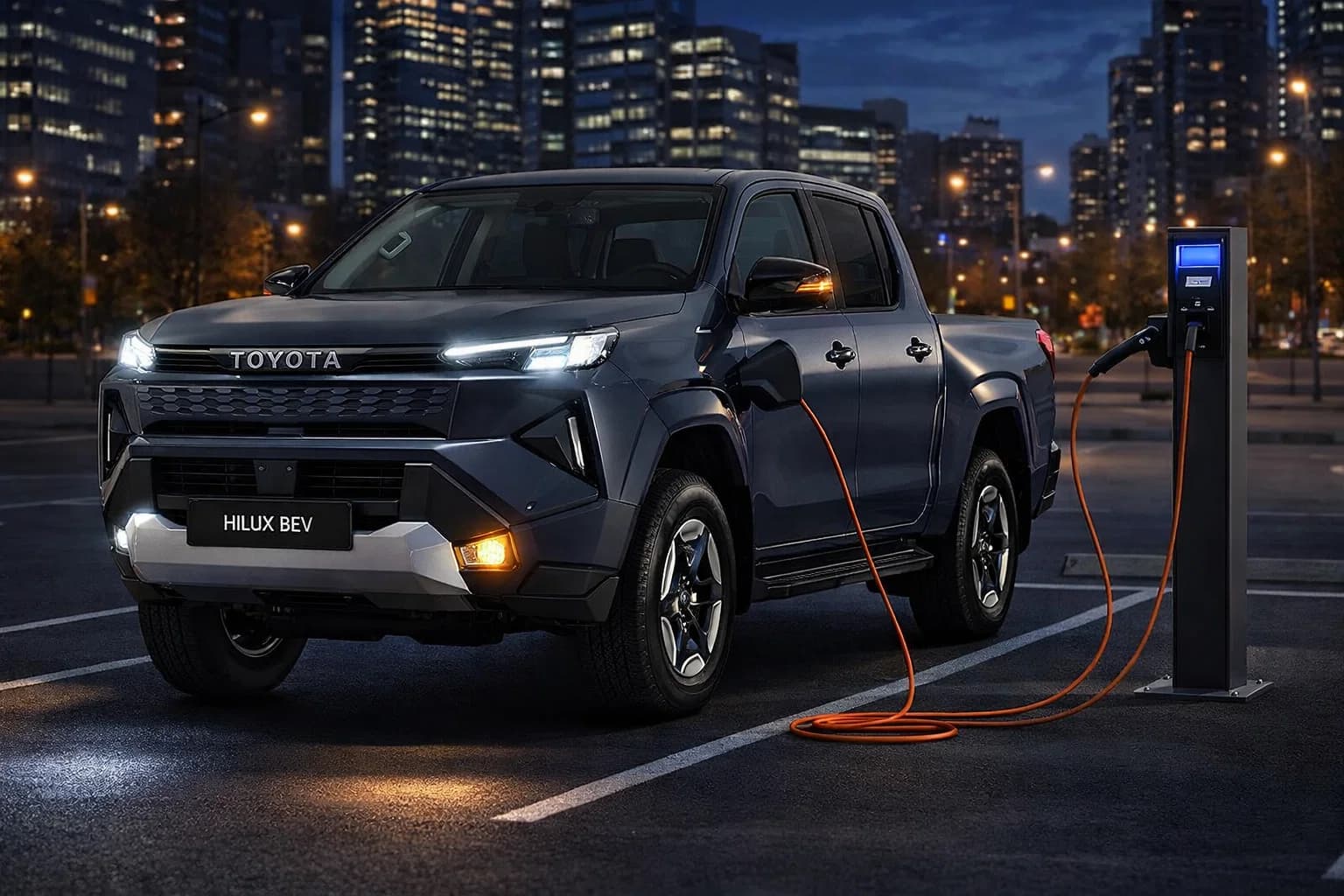
Toyota Australia has confirmed the turbo diesel Hilux range will be joined by a battery electric Hilux in 2026, with positioning aimed at fleet, mining and business buyers who want an electric work ute.
Key points Toyota has already put on the table:
- Double cab 4×4 SR and SR5 grades are called out for the BEV introduction.
- The BEV setup is described as being underpinned by an electric motor on each axle, which strongly points to an all wheel drive style layout.
What Toyota has not fully locked in publicly (at least in accessible AU comms) are the everyday buyer questions like:
- Battery capacity, charging speeds and real world range in Australian conditions
- Final towing and payload targets for local spec
- On sale timing by month, and how supply will look outside of fleet channels
That is normal at this stage being Feb 2026. The important takeaway is Toyota is clearly signalling a HiLux BEV that is meant to work, not just exist.
The PHEV Utes People Are Comparing Against Right Now
If the HiLux BEV is the “battery only” pathway, PHEV utes are the bridge option: meaningful electric driving for short trips, plus engine range for touring, towing and long distance runs.

GWM Cannon Alpha PHEV
GWM positions the Cannon Alpha PHEV as a high capability plug in hybrid ute, with headline claims including:
- Up to 115 km pure electric range (claimed)
- Up to 3500 kg braked towing (claimed)
- 300 kW and 750 Nm combined output (claimed)
Where it tends to fit: buyers who want electric commuting during the week, but still want big towing numbers on paper for weekend and work.

BYD Shark 6
BYD’s Shark 6 has landed with a strong performance story and a very clear positioning as a tech heavy dual cab ute.
- 321 kW and 650 Nm combined output (claimed)
- 2500 kg braked towing (claimed)
Where it tends to fit: lifestyle plus light to medium towing needs, where electric assistance and performance feel matter as much as raw tow rating.

Ford Ranger PHEV (Ranger Plug in Hybrid)
Ford has put serious effort into making sure the Ranger PHEV still reads like a Ranger for Aussie use cases. In Ford’s own material, the highlights include:
- 11.8 kWh usable battery capacity
- Up to 3500 kg towing (claimed, with the usual conditions)
- Up to 973 kg payload (claimed)
- Pro Power Onboard up to 6.9 kW for powering tools and gear
Where it tends to fit: tradies and touring buyers who want familiar Ranger capability, plus plug in benefits and on site power.

What the Isuzu D-Max EV Tells Us About “Real BEV Ute” Direction
While Toyota’s HiLux BEV is the headline for 2026 in Australia, the Isuzu D-Max EV is a useful reference point because Isuzu has published more “ute job” numbers in global comms.
Across Isuzu communications, the D-Max EV is described with:
- 66.9 kWh battery
- Dual motors with total output of 140 kW and 325 Nm
- Up to 3.5 tonne towing capacity, plus payload over 1000 kg and 600 mm wading depth highlighted in market messaging
- Isuzu also states production and rollout timing for right hand drive markets, with sales expected to start in 2026 in the UK and broader rollout based on market needs.
The big point: “BEV ute” does not automatically mean “soft roader”. Manufacturers are clearly targeting towing, payload and off road basics, but the battery and charging realities still change how you plan big distance travel.
Quick Comparison: HiLux BEV vs Key PHEVs (What Matters in Australia)
Here’s the most practical way to look at it as a buyer.
If most of your driving is metro or short regional
- PHEV ute: easy win if you have charging at home and want electric driving without thinking about chargers on longer trips.
- HiLux BEV: likely strong for fleets that can plan routes and depot charging, and where “same loop every day” is common.
If you tow heavy often or drive remote
- PHEV ute: still the simplest “no thinking” option for long stretches, because fuel is everywhere and the engine can carry you once battery use is done.
- BEV ute: totally possible, but you will plan around charging points and charging time, especially with big loads.
If your ute is a mobile work site
- PHEVs can bring extra advantages here, like Ford’s published on board power capability for tools and equipment.
- BEVs can also support tool power setups, but you want confirmed local specs before betting your workflow on it.
If you want the simplest ownership logic
- BEV: fewer moving parts compared to a PHEV drivetrain, but battery and charging become the core of your ownership plan.
- PHEV: best of both worlds for many Aussies, but it is also “two systems in one”, which is the trade off.

The Accessory Reality: Payload, Roof Loads, and Setups Still Matter
No matter which electrified ute you choose, the ute fundamentals do not disappear:
- GVM and payload still set your limits, especially once you add accessories, trade gear, drawer systems, fridges, water tanks, canopies, and tow ball download.
- Roof loads and rack loads still require sensible planning, particularly if you are running ladders, long materials, rooftop tents, awnings, or recovery gear.
This is where the “ute setup” conversation becomes even more important on BEVs and PHEVs, because you want to stay within limits while still building a practical work or touring rig.

Where HSP Fits: Accessories for HiLux 2026+, Shark 6, Cannon Alpha and Ranger
At HSP, our approach is simple: when new utes launch, we build setups that suit how Australians actually use them.
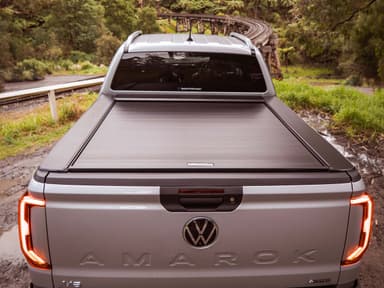
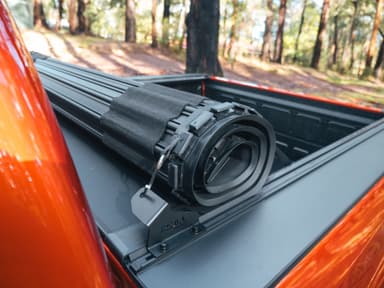
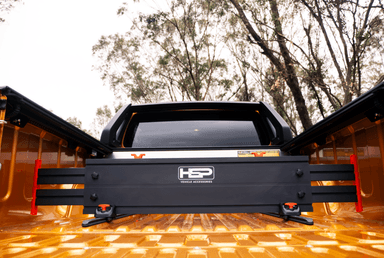
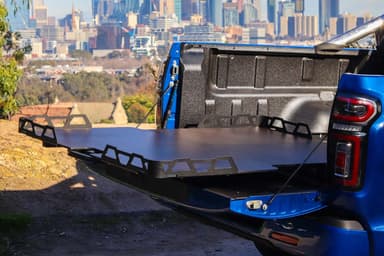
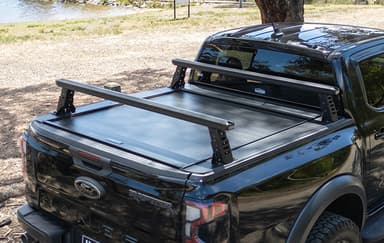
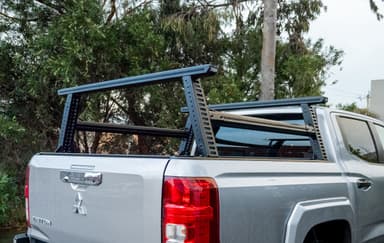
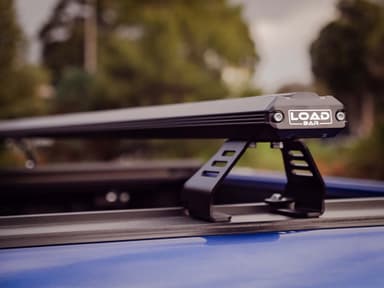
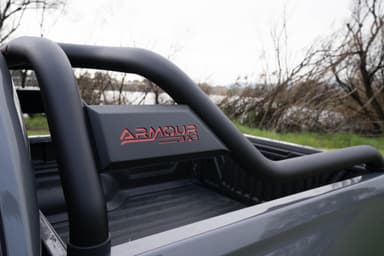
Feel free to browse each available range, as each Ute is compatible with our Roller Covers, Tonneau Covers, Ladder Racks, Tub Racks, Load & Armour Sports Bars & Tray Sliders:
- Hilux 2026+ HSP Accessories
- BYD Shark 6 HSP Accessories
- Cannon Alpha HSP Accessories
- Next Gen Ford Ranger and Raptor PHEV HSP Accessories
- Isuzu DMAX HSP Accessories
Luckily for us, the tub of these new PHEV & BEV variants for these utes aren’t changing much, which allows our products that are available now for the petrol/diesel variants to also be available for these ones, however the HSP Load Slide sometimes isn’t as the battery does make things difficult. The relevant information around this compatibility are on the Load slide product pages for each vehicle.

Visualise your electrified ute setup before you buy
If you’re looking at a HiLux 2026+ BEV, a Shark 6, a Cannon Alpha PHEV, or a Ranger PHEV, use our HSP 3D Ute Builder to map out a complete setup, price it up, and send an enquiry through with your build attached.
That way, you are not guessing how the final setup will look or what it will cost. You are planning it properly from day one.