
Foton Tunland V7 vs V9: Which Ute Is Right for You?
The Foton Tunland has returned to Australia in a form that is genuinely hard to ignore. Priced from $39,990 and stretching to $49,990, the Tunland range sits between traditional mid-size utes and full-size American pickups: bigger than a Ford Ranger, smaller than a Ford F-150, and arrives with a specification list that punches well above […]
The Foton Tunland has returned to Australia in a form that is genuinely hard to ignore. Priced from $39,990 and stretching to $49,990, the Tunland range sits between traditional mid-size utes and full-size American pickups: bigger than a Ford Ranger, smaller than a Ford F-150, and arrives with a specification list that punches well above its price point. Both the Foton Tunland V7 & the Foton Tunland V9 are a serious proposition for buyers who want value without compromise.
But the Tunland is not a single model. It comes in four variants split across two distinct grades — V7 and V9 — and understanding the difference between them is essential before you make a decision. This guide breaks it down clearly.
What the V7 and V9 Have in Common
Both the V7 and V9 share the same core underpinnings. All Tunland variants are powered by a 2.0-litre four-cylinder turbo-diesel mild hybrid engine producing 120kW and 450Nm, paired with a ZF eight-speed automatic transmission and a 48-volt hybrid system. Braked towing capacity is 3,500kg across the range, and ground clearance sits at 240mm. The ladder-frame chassis, wheelbase, and overall body dimensions are identical between the two grades, and both share the same safety suite — autonomous emergency braking, adaptive cruise control, lane support systems, and eight airbags.
The Key Differences: V7 vs V9
Suspension
This is the most significant mechanical difference between the two grades and the one that matters most for daily use.
The V7 uses a leaf-spring rigid axle rear suspension setup. This is the traditional workhorse configuration — better suited to carrying heavy payloads with stability, firmer in ride quality when unladen, and designed around the kind of use that involves regular tub loading and towing. Payload capacity on the V7 4×4 is 1,050kg.
The V9 replaces the leaf springs with a multi-link coil-spring rear suspension setup. This delivers a noticeably more compliant, SUV-like ride quality in daily use, handles gravel and corrugated roads with more composure when unladen, and suits owners whose priority is comfort alongside capability. The V9 payload drops slightly to 995kg, which also makes it eligible for novated leasing.
Styling
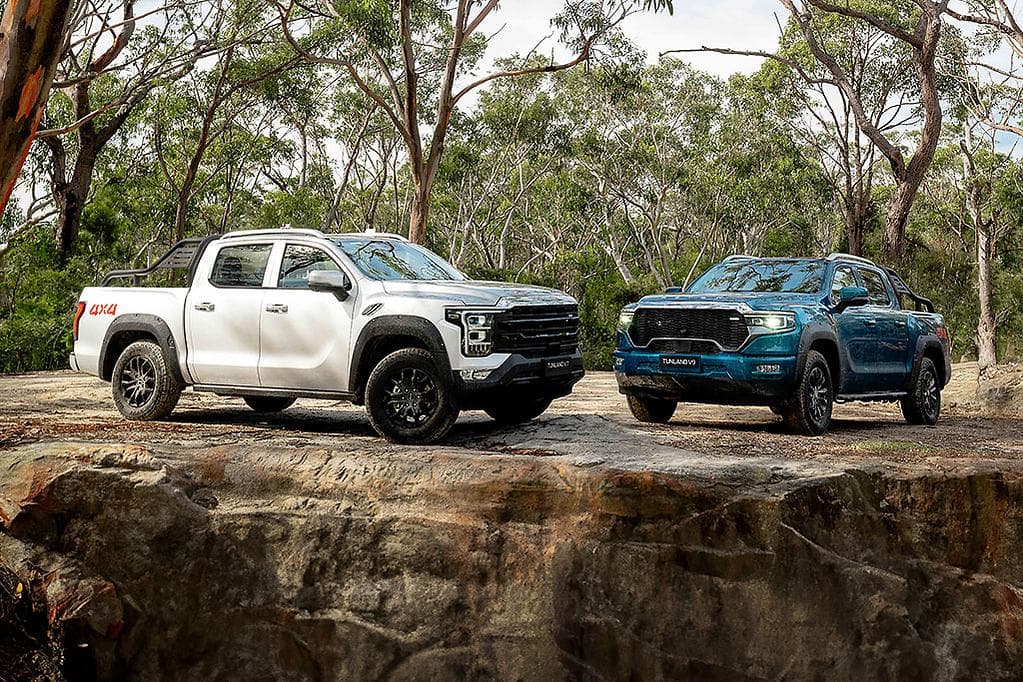
Beyond the suspension, the V7 and V9 have distinctly different front-end designs despite sharing the same body. The V7 presents a clean, bold face that draws comparisons to American full-size utes. The V9 takes a more aggressive approach with a larger grille and muscular black bolt-on wheel arch flares that widen the stance and add visual presence. If aesthetics matter in your decision, the V9 makes more of a statement.
Specification
The V7-C is available in both 4×2 and 4×4 configurations and represents the work-focused entry point of the range. It is well equipped for its price, with a 14.6-inch touchscreen, AEB, and a comprehensive safety suite, but lacks some of the comfort and technology features found higher in the range.
The V9-L and V9-S add dual-zone climate control, powered and heated front seats, wireless charging, and additional driver assist technology. The V9-S goes further with front and rear differential locks, a panoramic sunroof, ventilated front seats, heated rear seats, and facial recognition — features that sit firmly in the territory of vehicles costing significantly more.
Price
The V7-C 4×2 starts at $39,990. The V7-C 4×4 is $42,990. The V9-L 4×4 starts at $46,990, and the flagship V9-S 4×4 tops out at $49,990, all plus on-road costs. For the level of specification on offer, these prices represent strong value in the current Australian ute market.
Which One Should You Choose?
Choose the Foton Tunland V7 if you are primarily using the Tunland as a work vehicle, regularly carry heavy loads in the tub, or want the most competitive entry price. The leaf-spring setup is built for payload and reliability in working conditions, and the 4×2 variant suits buyers who do not need full-time four-wheel drive.
Choose the Foton Tunland V9 if your priority is daily driving comfort alongside genuine capability, or if you want the range-topping specification without the full-size ute price. The coil-spring ride quality is a meaningful step up in feel, and the V9-S in particular is extraordinarily well equipped for its price point.
Accessories for the Foton Tunland V7 and V9
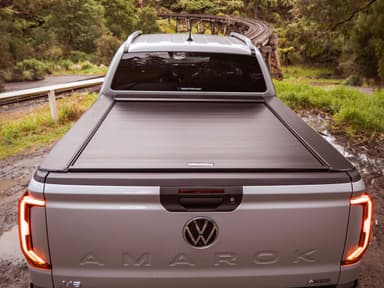
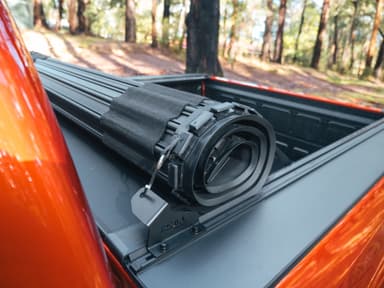
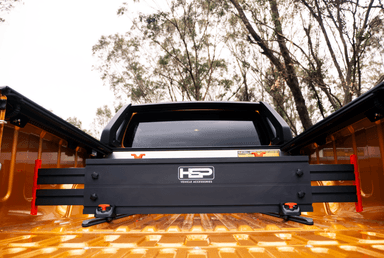
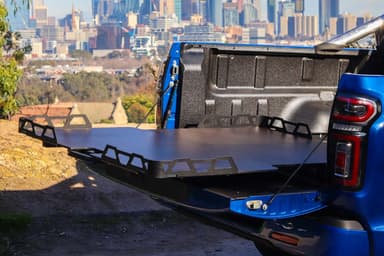
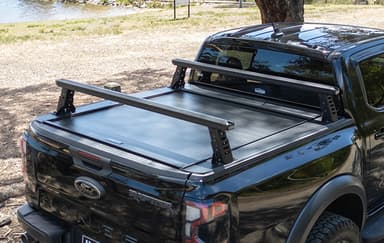
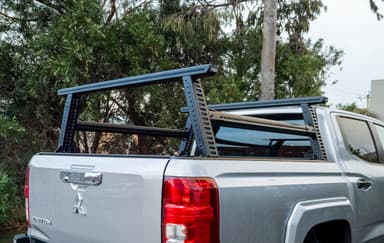
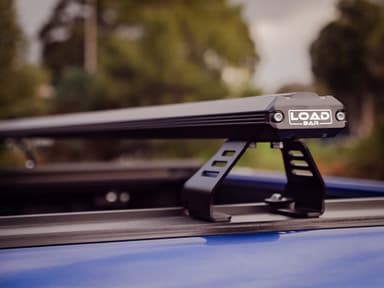
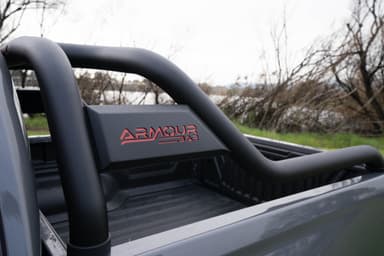
HSP builds a full range of Foton Tunland accessories compatible with both the V7 and V9. The Roll R Cover is 100% Australian manufactured and fits both grades, integrating with the factory remote and sports bar setups. The Load Rack JNR tub rack, Load Rack Pro ladder rack, and Load Bar crossbar system are all compatible across the V7 and V9 tub configuration, giving owners of either grade the same full accessory ecosystem.
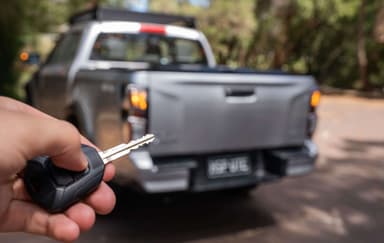
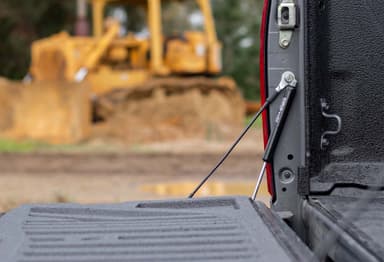
Particularly, the HSP Tailgate Lock, is a quick and essential upgrade which allows you to sync your Foton Tunland tailgate with your existing remote. Installation takes less than an hour as there is no drilling required along with simple wiring.
Browse the HSP Foton Tunland accessories range and use the HSP 3D Ute Builder to spec your build.
The primary difference is rear suspension. The V7 uses a leaf-spring rigid axle setup suited to heavy payload use, while the V9 uses a multi-link coil-spring rear setup for a more compliant, SUV-like ride quality. The V9 also adds additional specification and a more aggressive exterior design.
Yes. HSP’s full accessory range for the Foton Tunland, including the Roll R Cover, Load Rack JNR, Load Rack Pro, and Load Bar which are compatible with both the V7 and V9 tub configuration.